Silver Leaf Clinic
Early Detection: Your Powerful Best Defense Against Cancer
Stay proactive about your health with preventive care and expert surgical advice.Early prevention is the most powerful tool against cancer.
Contact Us
Cancer Prevention Tips
Eat A Healthy Diet
A person’s cancer risk can be reduced by eating a diet rich in fruits, vegetables, whole grains and legumes. Limit your fat intake, Non-vege food, red meats, salty foods and food processed with salt.
Avoid Tobacco
Tobacco is injurious to health. Tobacco and its products that you take increase the risk of developing cancer. While smoking has been linked to cancer of the lungs, bladder, cervix, and kidneys; chewing tobacco causes oral cancers.
Avoid Alcohol
If you drink, set moderate drinking limits. Studies suggest two drinks for men and one drink for women daily should be the limit.
Exercise
Being physically active for 30 minutes daily can decrease your cancer risk. Daily exercise will also help maintain an ideal weight which might lower your risk of developing certain types of cancer.
Expert Surgical Guidance
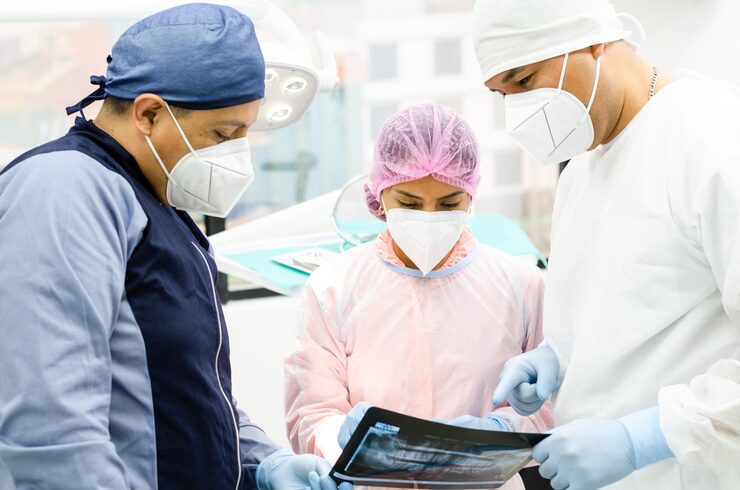
For high-risk individuals, preventive surgeries or minimally invasive procedures can be life-saving.
Dr. Vinod Gore provides expert assessment and tailored surgical solutions to reduce future cancer risk.
Vaccine
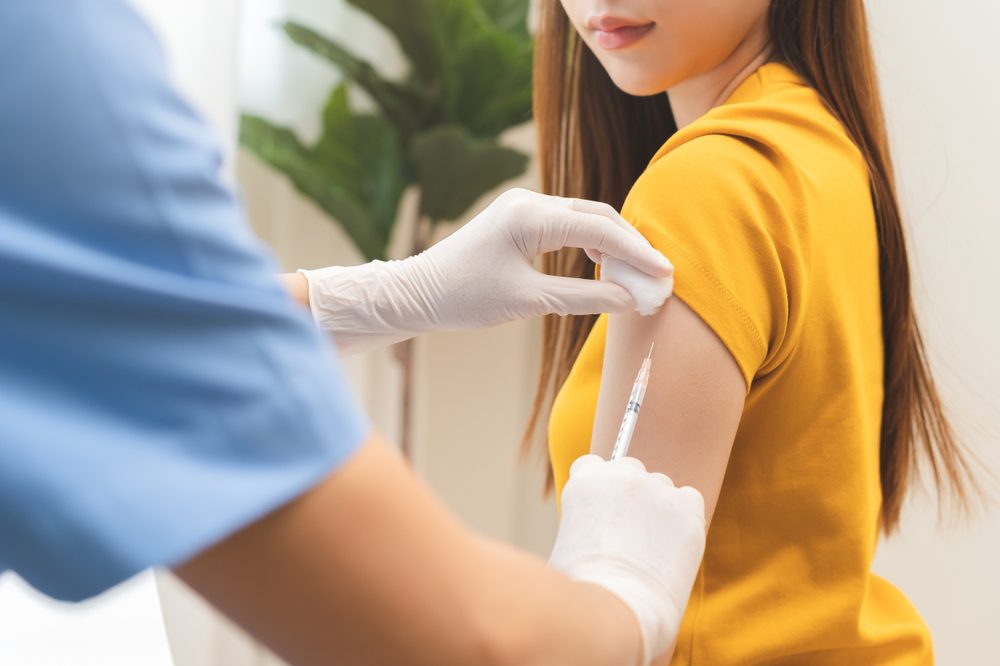
Vaccines like the Human Papillomavirus (HPV) vaccine and the Hepatitis B vaccine represent significant advancements in cancer prevention, offering protection against specific viral infections.
Early Detection
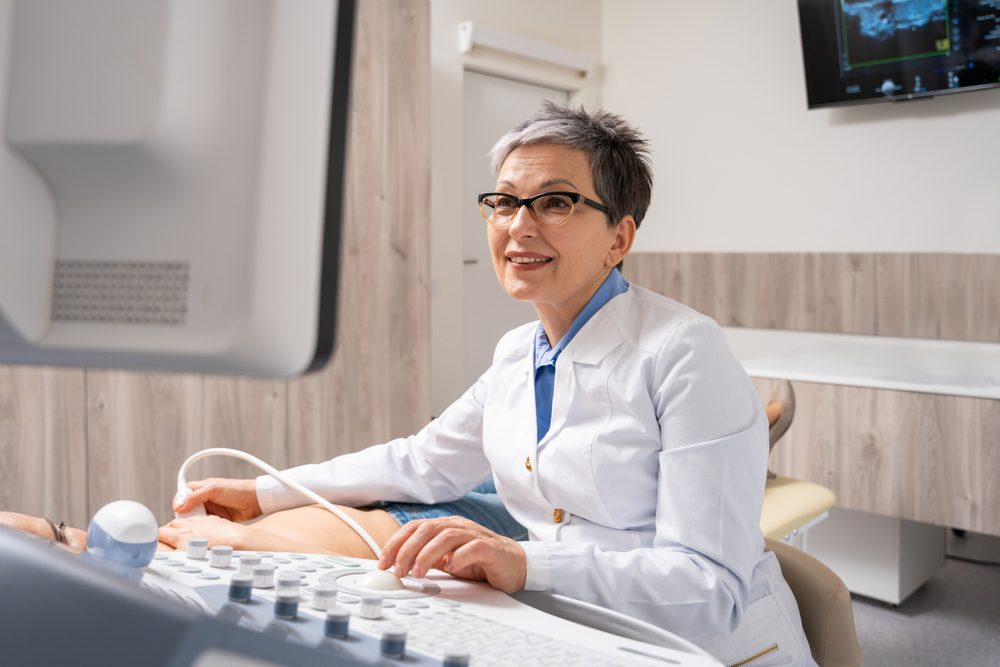
Early detection of cancer offers a multitude of benefits, significantly reducing not only the financial burden of treatment but also the physical and emotional toll of the disease
Treatment from specialist
Receiving cancer treatment from a specialist, a doctor with focused expertise and extensive experience in oncology, significantly enhances the likelihood of a successful outcome